You Buy It I Write It: Secret of the Magic Crystal

2013-03-15_00005

There comes a time when language fails, when the very concept of putting meaning into symbolic utterances is not sufficient or even a possibility in light of something that occurs to us.

I feel this way about Secret of the Magic Crystal, a game that someone purchased for me to play. I will admit right now that I didn’t make the promised hour of play. The first five minutes were torture; twenty minutes is as far as I could make it into the game. I’m also going to be up front and say that it is absolutely impossible for me to write a thousand words about this game. In the face of Secret of the Magic Crystal, I find myself suffering a profound version of aphasia.

All of my words have drained in the face of a game where you raise, groom, and race a unicorn.

2013-03-15_00010

I am certain that there is an audience for Secret of the Magic Crystal. There are lots of people who find it exciting to hit two keyboard keys in a row in order to jump over an obstacle. These same people might also light brushing their unicorn-horse in small circles until a bar fills up with a flashing red light stops blinking (and then nothing happens, you just keep brushing.) These people might also enjoy sending their horse to an important race where the horse just disappears for a full five in-game minutes while you just watch the screen and twiddle your thumbs.

These people might be children. Or maybe just very, very patient horse raising simulation enthusiasts. But in either case, those people are not me. 

This is usually the part of a post where I find something theoretically interesting about a game. I would say something like, “here is where x game is brilliant” and I would write a few hundred words through rose-tinted glasses and the world would continue on. But in this instance, I can’t. I don’t have anything positive to say about the game, and at the exact same time, I don’t have much negative to say about it either. When I said above that it is for a very specific set of people, I wasn’t being dismissive; that’s exactly the impression that I got from the product.

I am in the strangest position here. It is so rare that a game merely exists for me without any judgment value attached. I can’t say that it is terrible, because I know there are people who would genuinely enjoy a Facebook-game styled slow-roll horse farm simulator where you somehow find magic crystals.

2013-03-15_00002

So maybe here is the positive thing: Secret of the Magic Crystal is a game that exists on an internet platform that is not made for me and does not have me in mind at all. When I say “me,” what I really mean is myself and other people in my subject position: 20s, male, white, hetero, cis. It is a game that doesn’t market itself to me or make itself like the other games that are for “me.” It signals that there is a radically wide space for games, and that the homogeneous glut of games isn’t even close to the shapes that games can take.

So that is comforting at least.
Posted in Video Games, You Buy It I Write It | Tagged , , , , | 3 Comments

On The 3 Snake Leaves

Emily Carroll is probably my favorite working comics author right now (only surpassing James Kochalka because American Elf is over and I have no interest in J.K.’s other work). His Face All Red is the pinnacle of horror comics, and Margot’s Room absolutely destroys me in ways I can’t quite explain. Carroll always manages to deliver punch and awe and fear in very particular ways that no one else even approximates. Part of this is a genre problem–who are her contemporaries? Not just people working in indie and online comics, but people who are tackling the same kind of subject matter and material–neomedieval stories that don’t quite fit; love stories that avoid triteness like the plague; an art style equally stylized and yet clean and obviously masterful. The work being done at Road of Knives approximates Carroll, but eschews all plot; it is a different game with some of the same pieces.

Carroll recently released The 3 Snake Leaves, a comic adaptation of a fairy tale/folk tale that I had never heard of before I read the comic (you can wiki it and read versions here). A sample:

panel7


The heart of the story is about consequences for actions.

No, not really. It is more than that.

The 3 Snake Leaves is about how the past is constantly haunting us, and that the things we do are constantly echoing into the future. More tragic, there isn’t any way to control those vibrations, those echoes of past into present into future; they go on, and we are mostly bystanders.

For some reason, Emily Carroll is able to capture this in a way that no one else is able to. When I think of comics about inevitability, I immediately come up against comics that are about looking backward: Backderf’s My Friend Dahmer or Bechdel’s Fun Home. Both of those are comics based on the past that make an effort to understand how we got from point A to point B, and maybe more importantly, they are comics that are biographical; they have an actual history, traceable by documents and time stamps and police reports and blood stains.

What Carroll is doing is different. She is capturing a process, a way of acting and being in the world, without ever remarking on it. Her earlier work in The Death of José Arcadio is a wonderful example of this outlining of process–the blood runs all the way to the woman. The blood isn’t blood, or it is, but either way it doesn’t matter; the comic is about information traversing time and space. It is about showing a communication process; it is about watching trauma and pain move through the world like water through a pipe.

This is where Carroll shines. Things move through time, destroying anything in their wake. Fidelity is showing, not explaining. Compassion is mourning.

Posted in Comics | Tagged , , , | Comments Off on On The 3 Snake Leaves

An Update on the Blog and a Great Comic Book Moment

As you may know if you follow me on Twitter, I finished a journal submission today and so I am pretty beat (this has been the reason there is less ‘original writing’ going on here at the blog over the past few weeks and more quotations, etc.)

So I’m taking the weekend to recharge and then, boom, next week I should be back on my normal writing schedule of mostly original stuff.

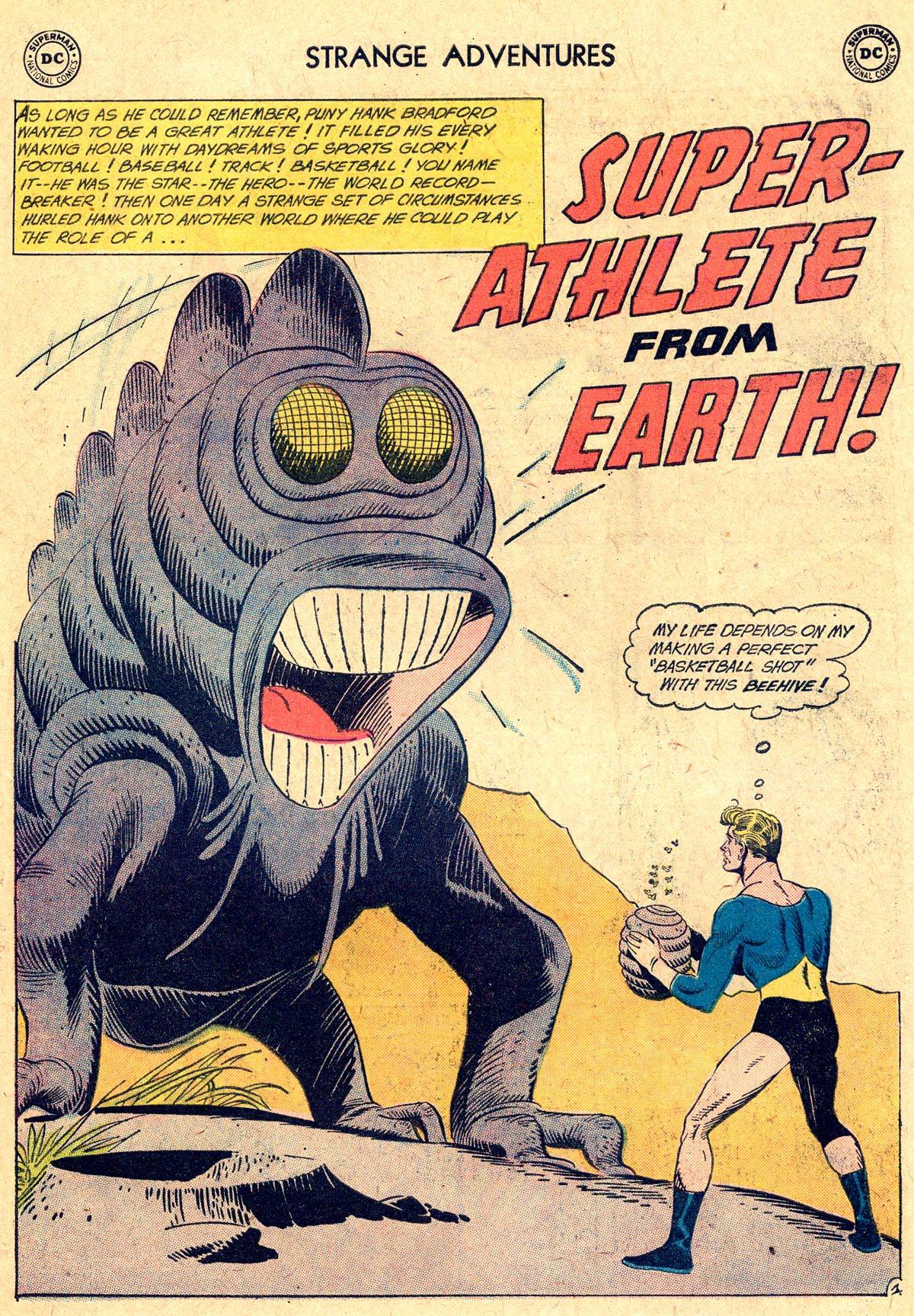
In any case, here is a page from Strange Adventures #125 which made me laugh harder than any other comic image I have ever seen.

Strange Adventures 125

Posted in Comics, General Features | Tagged , , | Comments Off on An Update on the Blog and a Great Comic Book Moment

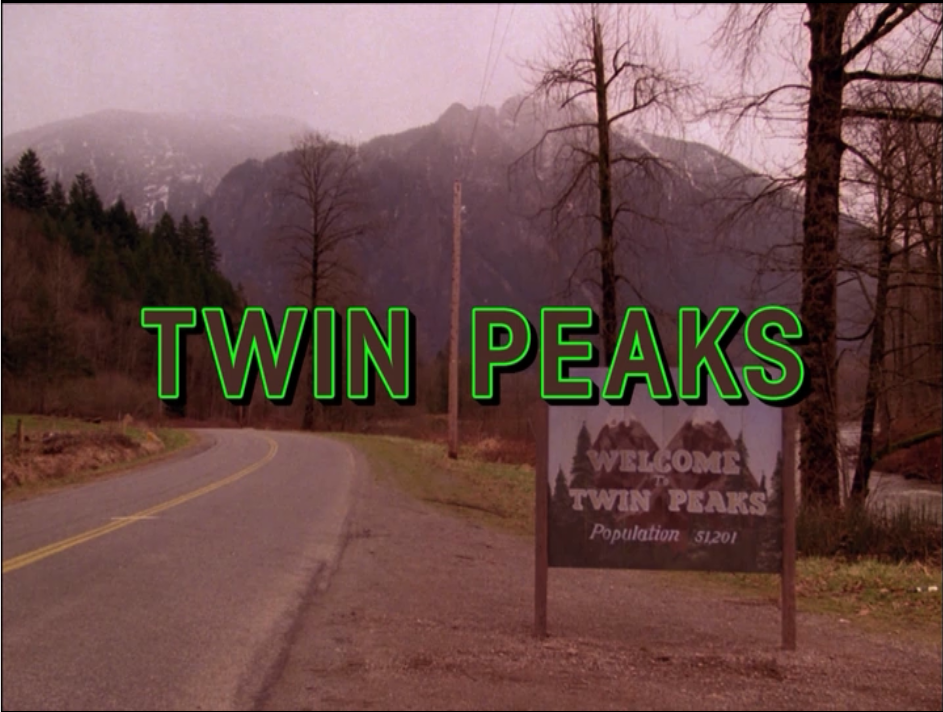
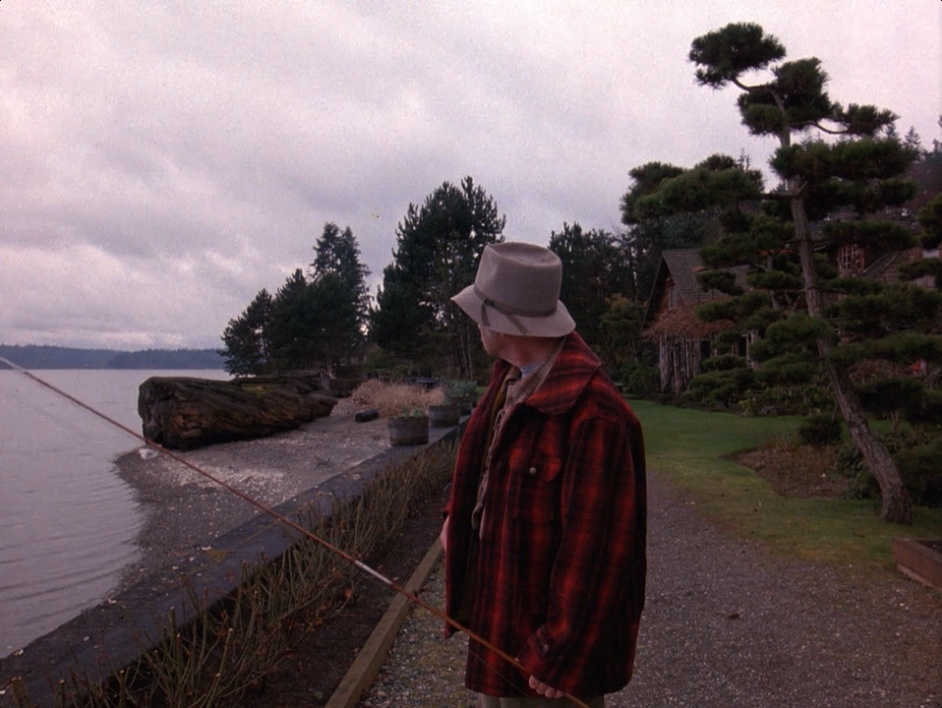
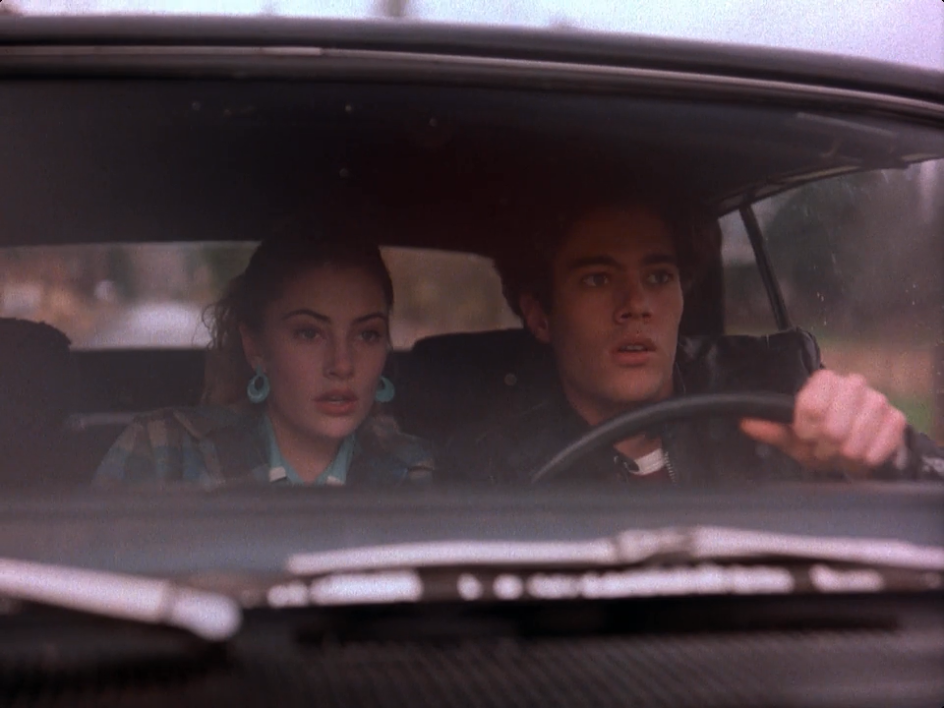
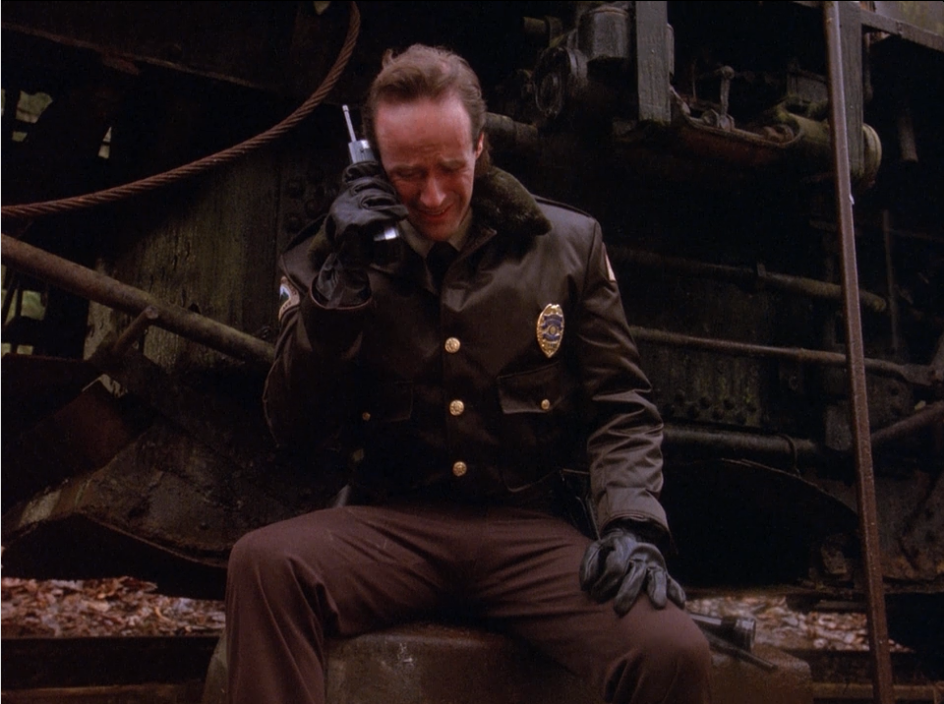
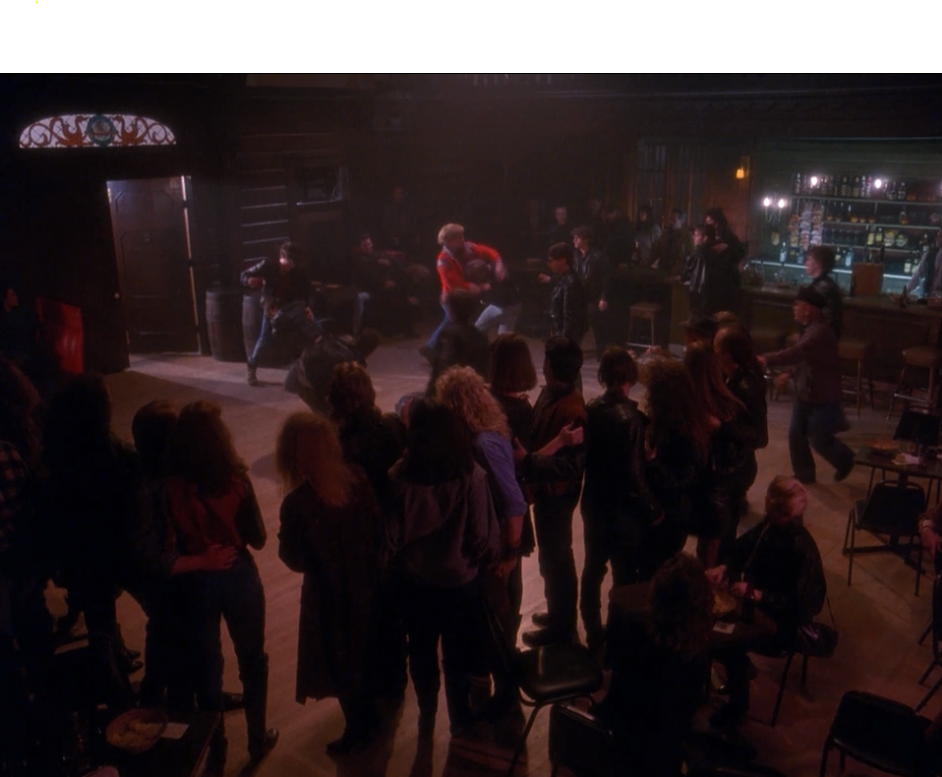
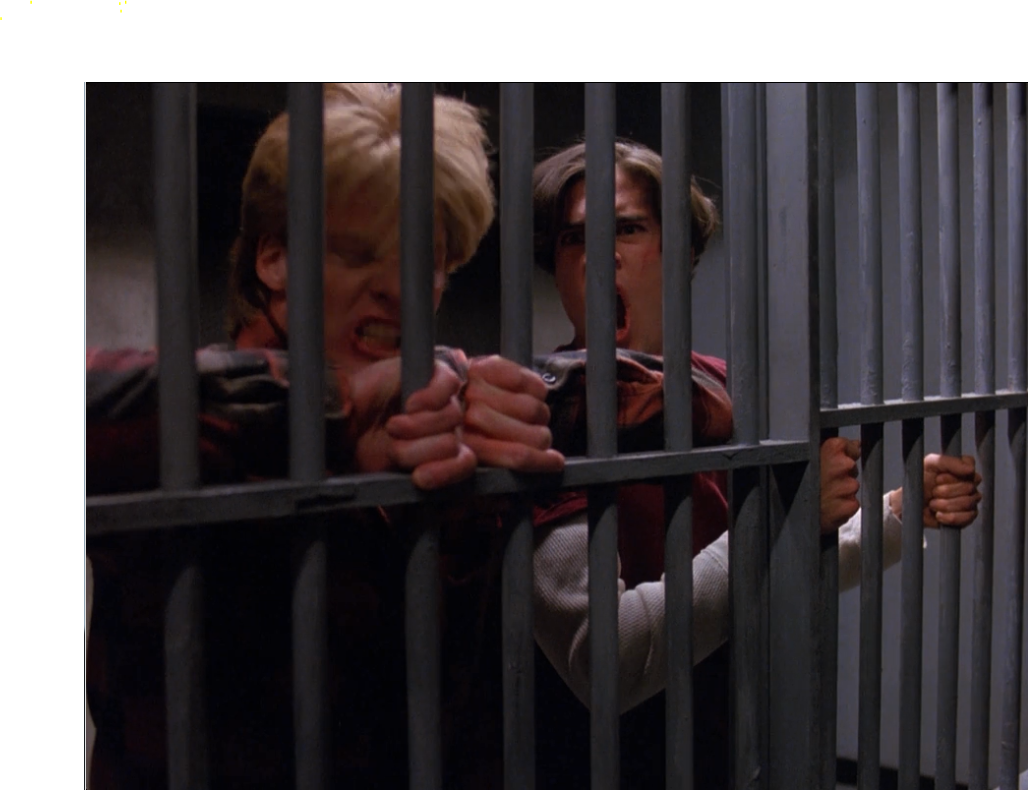
S1:E1 of Twin Peaks

1 2 3 4 5 6 7 8 9 10 11 12 13 14 15 16 17 18 19 20 21 22 23 24

Posted in General Features | Tagged , , , | 1 Comment

Tom Chick on Sim City Societies and Conditioning

Some buildings apply conditioning, which pushes a citizen’s happiness level toward the middle. If your city is miserable, conditioning can be an effective way to keep everyone from rioting. It will tamp down the upper level of happiness as well. But if you’re not making a play for ecstasy, who cares? Conditioning is a mood stabilizer to even out the extremes, making sad sims happier and happy sims sadder. Urban prozac.

And if your city is primarily corporate, relying on office buildings for income, conditioning is a great way to optimize your economy by ensuring that office workers will show up merely content, not sad, not angry, and certainly not happy, elated, or ecstatic. Content. Which credits them towards those periodic cash bonuses that make office buildings so profitable.

So in the fiction of SimCity Societies, what makes for a city with the best office workers? How does conditioning happen? Incarceration is one way. When a sim is thrown in jail, it’s usually because his happiness level was so low that he was rioting. Conditioning is applied to get him back to normalcy. But the more practical way to apply conditioning is with really fun buildings like re-education centers, behavioral science labs, state housing projects, and the conditioning theater (which also saps money from visiting tourists!). Nerve stapling won’t be invented for another century or so, and it will be light years away.

– “SimCity Societies: joy is the enemy of clerical work

Posted in Quote Time | Tagged , , | Comments Off on Tom Chick on Sim City Societies and Conditioning

Vorpalizer on fantasy film and worldbuilding

The great temptation, the fatal temptation, of adult fans of fantastic fiction is the temptation of Law. We want the contents of our imagination taxonomied and classified, ordered and indexed, subject to rules and regulations. Gaps exist to be filled. Mysteries exist to be solved. Legends are just timelines that haven’t been formalized yet. Fantastic fiction becomes a code to crack.

It’s a depressing state of affairs, not least because it can be traced directly to one of the most generous and unfettered imaginations in all of literature, the same imagination that gave this column its title: the imagination of J.R.R. Tolkien. Tolkien famously devised the entire history of Middle-earth and all the adventures that took place therein in order to give his imaginary alphabets and languages hands to be written with and voices to be spoken by. That he arrived at the single greatest act of world-building in fantasy history completely bass-ackwards should, one would think, serve as an instant warning light to fantasists who wish to put the cart before the horse, but you and I both know that hasn’t been the case. A rigorous and road-tested encyclopedia-salesman approach to creating new worlds and new images to fill them is viewed as inherently superior to one in which the power of images and ideas comes first. It’s like people really want to write a wiki, and have to come up with the pesky “moving, powerful, imaginative literature” stuff out of obligation.

– Sean T. Collins at Vorpalizer,
Roots and Beginnings: The Neverending Story

Posted in Quote Time | Tagged , , , | Comments Off on Vorpalizer on fantasy film and worldbuilding

On Kentucky Route Zero, Act 1

Warning: some vague spoilers about Kentucky Route Zero.

This isn’t going to be long. I’m not going to address the comparisons to The Walking Dead that everyone is making (which I don’t understand at all). If you care about the conversation that has been happening around the game, look to RPS here, here, and here. The game is about The South, and apparently people thing that is really important, despite the game being nothing like the Southern experience that I’ve had for the past forever. With all of that out of the way:

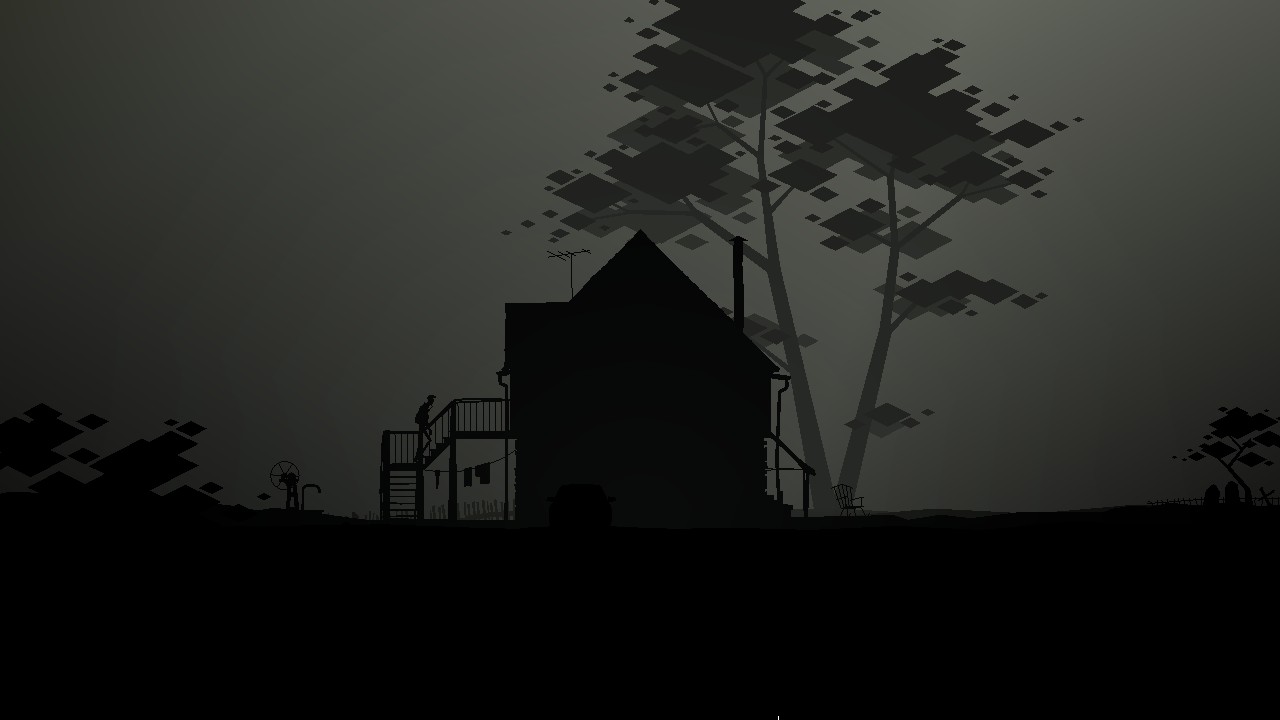
Kentucky Route Zero is about haunting. It is, as Daniel has noted, about presence and absence, about here and there, and about knowing that something is missing in the world.

2013-03-08_00015

We can retread the story so far: you follow Conway, an antique shop truck driver, and sometimes Shannon, a t.v. repairwoman. Conway is looking for Route Zero to make his delivery. We aren’t sure what Shannon is looking for, but she is along for the ride no matter what. We follow them into abandoned homes, to gas stations, deep into mines filled with emotional trauma.

I’m not particularly interested in these plot details at this point. While they resonate with me, I can’t really say that they’re amazing until I know where they go. The first act is very much a first act in that we become aware of the players and then watch them move. What I am saying is that it is interesting, but I don’t care about it enough yet.

I’m much more interested in the presence and absence of information as it is given to the player. As I’ve noted in my varied readings of horror games, that genre is heavily dependent on keeping the player from knowing things, particularly by limiting sensory information. In essence, the modern horror game is one long, split up jump scare. It all depends on a lack of information and a knowledge of what that lack means–I can’t see down that corridor, and I know I could be jumped at any moment by a monster, so I am forced to dread the encounter until it happens. Tension is generated from this process and makes everything, as Aristotle would say, “all scary.”

2013-03-08_00033

Kentucky Route Zero depends on this same kind of information withholding, but the stakes are never made clear to us. I am never told why my lack of information is a lack. Instead, I am merely kept in the dark and made to enjoy it. In this way, the game is about finding a total joy in the total absence of a reasonable world. A horror game would exploit this; Kentucky Route Zero leaves you totally ambivalent toward that condition. It smiles a little.

It is precisely because of this that I think various connections drawn between Kentucky Route Zero and the films of David Lynch are warranted. Lynch’s work has always moved along the edge of horror, which makes his actual forays into that realm incredibly terrifying. The homeless man in Mulholland Drive, Bob’s appearance in the living room in Twin Peaks, and the Mystery Man in Lost Highway are all prime examples of this, and I mention them because I think they share something: in contrast to the standard situation in Lynch films, which is one of uncertainty, these moments rely on absolute certainty to generate fear in us.

Kentucky Route Zero is making the same moves as Lynch would–the end of the first act has the Route itself opening up in a strange interpretive space that is neither wholly real nor wholly fictional. There are plenty of moments for horror to appear in hackneyed form in KR0, particularly one sequence in a mine where the player has to turn off the lights in order to hear an audio recording. In the dark, miner’s songs play and echo, scratching their way from reel to reel through time. A lesser game would use this moment as a scare tactic; a Silent Hill would have the lights come back on with something terrible standing in front of Conway. That doesn’t happen. Nothing happens. The player backs up and moves down a different shaft to the exit. Fear averted, I follow the game a little longer; I go a little further down the path you can’t come back from.

2013-03-08_00042

I’m eagerly anticipating the next sections of Kentucky Route Zero. I really want the developers to go “the full Lynch” because I think that mode of storytelling is severely lacking in video games as a medium. I want more games that stand on their own and require absolutely zero familiarity of cultural tropes to play them. I want more games that don’t cleave to a market share. I want more games that are willing to leave it to me to interpret and understand what is happening inside of them. Kentucky Route Zero has me hooked for this, and I hope the quality stays.

Posted in Video Games | Tagged , , , , | 1 Comment

Quotidian Fiction Tweets About Philosophers

https://twitter.com/ckunzelman/status/288373004273061888

https://twitter.com/ckunzelman/status/288378738645807106

https://twitter.com/ckunzelman/status/288796108136796161

https://twitter.com/ckunzelman/status/289821501128069121

https://twitter.com/ckunzelman/status/295226742635888640

https://twitter.com/ckunzelman/status/295906539842191360

https://twitter.com/ckunzelman/status/295907262252326912

https://twitter.com/ckunzelman/status/302452126238535680

Posted in Theory | Tagged , , , , | 3 Comments

Jessica Curry and Dan Pinchbeck on Dear Esther and thechineseroom

This is a great video of a talk by Curry and Pinchbeck where they just sort of nerd out and give a very long (45 minute) talk about the development of Dear Esther and Amnesia: A Machine for Pigs. It is very much worth your time, I promise. 

Read an article and view the video here.

Posted in Video Games | Tagged , , , , | Comments Off on Jessica Curry and Dan Pinchbeck on Dear Esther and thechineseroom

“a Rockstar Problem in gaming”

i think there is definitely a Rockstar Problem in gaming right now (maybe always), with various dudes (white dudes) being elevated to Lead Singers essentially or even Brand Faces, maybelline-style, where there’s this mystique around the Cliffy Bs and Ken Levines and so on that leads to facilitation of what is touted by (white male late-twenties/early thirties) nerd culture consumerists as that particular person’s “vision”, as if each designer was a Warhol or a Hirst basically overseeing labor and then being solely credited with “creation”.  And I think the nerd men in the comment threads of Kotaku (where I worked for a while) are eager to broadcast devotion to the cause, to brand loyalty, for exactly the same reason their hated nemeses “the jocks” will punch a man in a soccer riot for wearing the wrong colored scarf.  i mean it’s bro culture.  we call it nerd culture but it isn’t; it’s just armchair sportball hooliganism.

– Eliza Gauge

Posted in Quote Time, Video Games | Tagged , | Comments Off on “a Rockstar Problem in gaming”